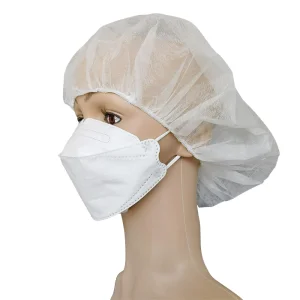
The global personal protective equipment (PPE) market has undergone a fundamental structural shift, moving from reactive surge-demand management to rigorous, quality-anchored baseline procurement. For industrial safety directors, healthcare enterprise buyers, and government procurement officers, identifying the top 10 personal protection mask factories and exporters requires a multi-dimensional evaluation model. This benchmark extends beyond unit pricing to assess meltblown electret consistency, hydro-entanglement nonwoven technology, cleanroom automation metrics, and compliance with international standards such as NIOSH 42 CFR 84, EU EN 149:2001+A1:2009, and ASTM F2100.
In modern industrial safety, Personal Protective Masks serve as the frontline defense against airborne particulate matter (PM2.5, PM10), bio-aerosols, chemical vapors, and industrial dust. The efficacy of an export-grade respirator depends on the micro-structure of its filtration media—specifically, electrostatic charge retention within meltblown polypropylene layers capable of capturing sub-micron particles through Brownian diffusion, interception, and inertial impaction.
Evaluating global PPE supply partners demands strict due diligence across technical compliance, daily throughput capacity, vertical integration, and export authorization records. Below is an executive benchmark evaluating leading manufacturing hubs and tier-1 exporters worldwide:
| Manufacturer / Ecosystem Hub | Primary Standards | Key Product Specialization | Cleanroom / Scale Rating | Export Compliance Status |
|---|---|---|---|---|
| Henan Tobe Health Co., Ltd. | CE, US FDA, GB2626, ISO9001/14001 | N95/KN95, KF94, Surgical, Gas Masks | 100 Mu Site | 400,000m² Cleanroom | MOFCOM Whitelist / Global Approved |
| 3M Company (USA / Global Hubs) | NIOSH N95, N99, EN149 FFP2/FFP3 | Industrial Respirators, Aura Series | Global Tier 1 Enterprise Scale | Worldwide Regulatory Clearance |
| Honeywell Safety Products | NIOSH, EN149, AS/NZS 1716 | Disposable & Elastomeric Respirators | Multi-National Automated Facilities | Worldwide Direct Procurement |
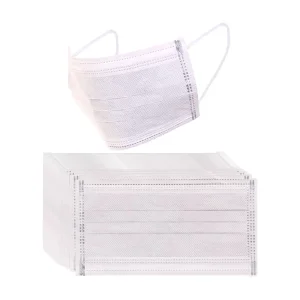
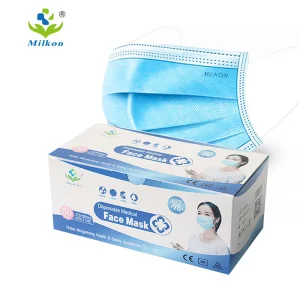
| Xiantao Nonwoven Cluster (Hubei) | CE, ASTM F2100 Level 1-3 | Disposable 3-Ply Medical Masks | Mass OEM Industrial Aggregation Hub | China Export Whitelisted |
| Guangdong Protective Technology Hub | CE Type IIR, KN95 GB2626-2019 | High-Speed Automated KN95/KF94 | High Tech Automated Cleanrooms | FDA EUA / CE Certified Exporters |
| Moldex-Metric Inc. (USA) | NIOSH N95, N100, EN149 | Contoured Foam Dust & Gas Masks | Advanced Molded Foam Facilities | US/EU Industrial Distribution |
| Drägerwerk AG (Germany) | EN 149 FFP2/FFP3, CE Marked | Medical & Industrial Respirators | European Precision Cleanrooms | Global Healthcare Authorized |
| Shandong Medical Consumables Group | CE, ISO 13485, GB/T 32610 | Surgical Face Masks & Fluid Shields | Large Scale Sterilization Cleanrooms | EU & LATAM Export Channels |
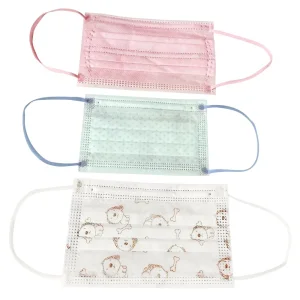
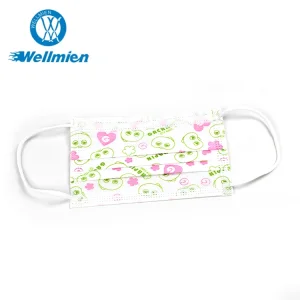
| Zhejiang Personal Care Manufacturing | KF94 Standard, CE, FDA | Custom Printed & Ergonomic Masks | Flexible Automated Lines | Asian & North American Exporters |
| Kimberly-Clark Professional | NIOSH N95, ASTM Medical | Cleanroom & Surgical Protection | Global Medical Grade Facilities | Global Hospital Contract Supplier |
China remains the undisputed nucleus of global nonwoven material processing and personal protective mask manufacturing. The country's strategic advantage lies not only in raw assembly speed, but in total supply-chain density—from raw polypropylene resin refining to high-permittivity meltblown extrusion, automated earloop ultrasonic welding, and Ethylene Oxide (EO) sterilization.
Chinese industrial clusters control the full upstream synthesis of SMMMS (Spunbond-Meltblown-Spunbond) nonwoven fabrics. Access to ultra-high melt flow rate (MFR 1500) polypropylene ensures optimized electrostatic electret charge retention for superior sub-micron filtration efficiency (PFE ≥ 99%).
Modern factories utilize fully automated production lines equipped with real-time optical visual inspection algorithms. These systems continuously monitor nose-bridge alignment, earloop tension strength, and edge-sealing integrity at production rates exceeding 120-250 units per minute per line.
Leading Chinese exporters maintain dual registration under the Ministry of Commerce (MOFCOM) Whitelist while holding valid EU CE Marking (MDR/PPE Regulation) and US FDA registrations, protecting international buyers from border delays and regulatory compliance risks.
Henan Tobe Health Co., Ltd. is a comprehensive medical and health technology enterprise, affiliated with a well-established industrial group. The company integrates research and development, manufacturing, sales, and after-sales service, focusing on protective products, medical devices, medical consumables, and health-related equipment.
The company covers an area of approximately 100 mu, with modern production workshops exceeding 400,000 square meters and a dedicated workforce of over 3,000 employees. Its business scope spans multiple sectors including healthcare, medical aesthetics, rehabilitation, and health management services, demonstrating strong industrial integration capabilities and supply continuity.
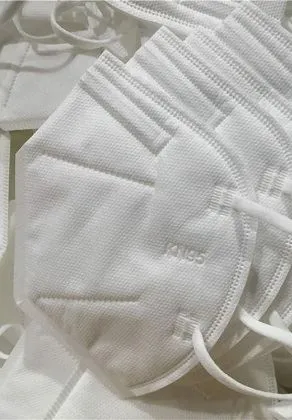
Henan Tobe Health Co., Ltd. has established an advanced R&D center staffed with over 20 experienced engineers and technical experts. The team is dedicated to continuous material innovation, breathability optimization, and ergonomics engineering.
Operating more than 20 automated mask production lines alongside equipment manufacturing facilities, the company maintains continuous quality assurance protocols and rapid bulk delivery capability.
Strictly adhering to international standards, the company holds key authoritative certifications including:
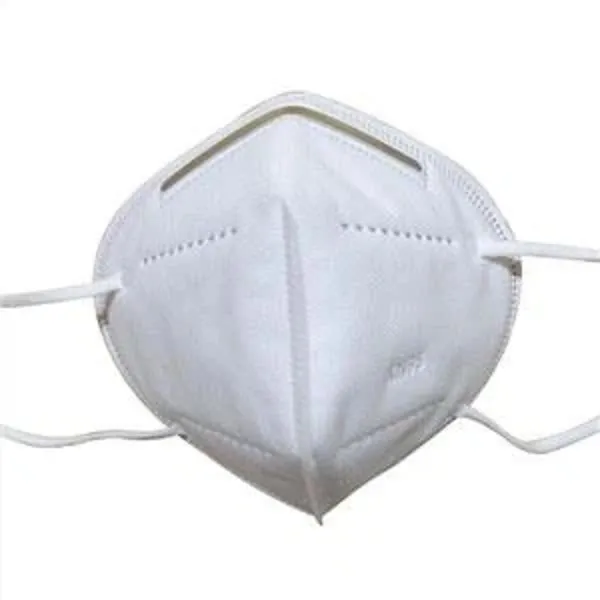
Navigating global PPE procurement requires a granular understanding of regional filtration standards and testing protocols. Protective masks are classified based on particle size interception, test aerosol composition (NaCl vs. Paraffin Oil), and differential pressure (breathability resistance measured in Pa/cm²).
| Standard Jurisdiction | Classification Code | Filtration Efficiency (Particle Size) | Test Aerosol Agent | Max Inhalation Resistance |
|---|---|---|---|---|
| United States (NIOSH 42 CFR 84) | N95 / N99 / N100 | ≥95% / ≥99% / ≥99.97% (0.3 µm) | Sodium Chloride (NaCl) | ≤ 350 Pa |
| European Union (EN 149:2001) | FFP1 / FFP2 / FFP3 | ≥80% / ≥94% / ≥99% (0.6 µm) | NaCl & Paraffin Oil | ≤ 240 Pa (FFP2) |
| China (GB 2626-2019) | KN95 / KN100 | KP95 | ≥95% / ≥99.97% (0.3 µm) | NaCl (KN) / Oil mist (KP) | ≤ 210 Pa |
| United States (ASTM F2100) | Level 1 / Level 2 / Level 3 | BFE & PFE ≥95% (L1) / ≥98% (L2/3) | 3.0 µm Bacteria / 0.1 µm Latex | Fluid Resist: 80-160 mmHg |
| South Korea (MFDS KF) | KF80 / KF94 / KF99 | ≥80% / ≥94% / ≥99% (0.4 µm) | NaCl & Paraffin Oil | ≤ 70 Pa (Ergonomic Low Resistance) |
The personal protection mask industry is experiencing rapid technological evolution. Emerging trends focus on improving wearer compliance, reducing breathing resistance, expanding localized application versatility, and reducing environmental impact:
Replacing standard meltblown nonwovens, electrospun nanofiber membranes feature ultra-fine fiber diameters (50-200 nm). They offer mechanical physical filtration independent of electrostatic charge decay, maintaining peak PFE efficiency even under high humidity conditions.
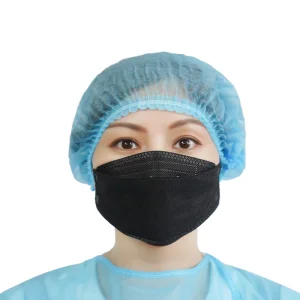
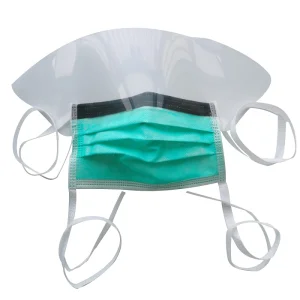
Surgical Type IIR masks integrated with anti-glare optical films and anti-fog nose foams address crucial needs in modern operating rooms and clinical settings, preventing vision impairment from exhaled moisture condensation.
Environmental sustainability initiatives are driving the deployment of Poly Lactic Acid (PLA) spunbond fabrics derived from renewable plant sugars, mitigating single-use plastic waste while maintaining medical-grade protection profiles.
Selecting the optimal mask architecture depends on environment-specific hazard exposure profiles:
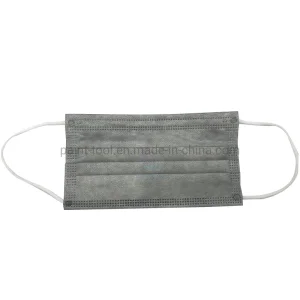
Requires ASTM F2100 Level 3 or EN14683 Type IIR fluid resistance (160 mmHg synthetic blood penetration barrier). High-risk surgical procedures utilize 4-ply masks with anti-fog splash shields to shield healthcare staff from fluid projection and aerosolized pathogens.
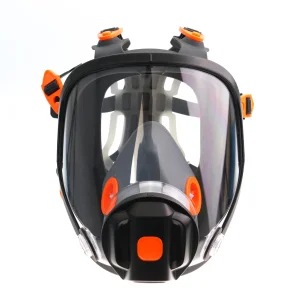
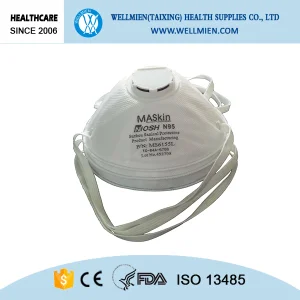
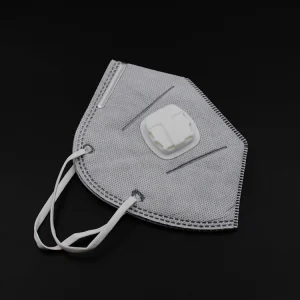
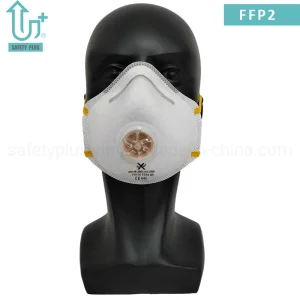
Demands NIOSH N95/N99, EN149 FFP2/FFP3, or clear silicone elastomeric gas masks equipped with activated carbon layers. These configurations capture volatile organic compounds (VOCs), silica dust, metal fumes, and toxic particulate matter generated in mining, welding, and chemical processing.
Requires ultra-low linting, non-outgassing masks manufactured in ISO Class 5-7 cleanroom conditions. These specialized masks protect sensitive semiconductor wafers and optical devices from human skin flaking and micro-particulate shed.
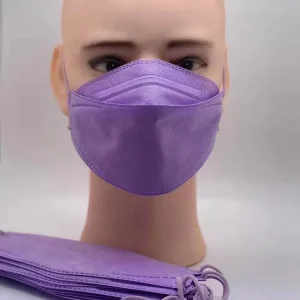
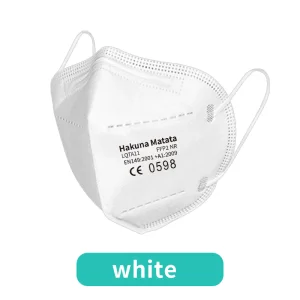
While all four standards require filtration efficiency of 94% to 95% against non-oil particles, they are certified under different international bodies: N95 is the US NIOSH standard (0.3 µm NaCl test); KN95 is China's GB2626-2019 standard; FFP2 is Europe's EN 149:2001 standard (testing against both NaCl and paraffin oil aerosols); and KF94 is South Korea's MFDS standard featuring an ergonomic 3-panel (Willow Leaf) design with low breathing resistance.
Buyers should request three key proof points: First, check if the manufacturer is listed on the Chinese Ministry of Commerce (MOFCOM) PPE Export Whitelist. Second, request authentic third-party laboratory test reports from recognized bodies like Nelson Labs, SGS, or TÜV Rheinland. Third, verify ISO 13485 (Medical Devices Quality System) certification and official CE/FDA registration numbers through public regulatory databases.
Differential Pressure (ΔP) measures airflow resistance across the mask barrier, expressed in mm H₂O/cm² or Pa/cm². A lower ΔP indicates enhanced breathability. If ΔP is too high (>50 Pa/cm² for civilian or >60 Pa/cm² for surgical masks), wearers experience heat buildup and dyspnea, leading to frequent mask removal and reduced workplace compliance.
Leading exporters like Henan Tobe Health Co., Ltd. offer complete OEM/ODM options: custom outer layer printing, private label sterile pouch/box packaging, custom earloop tension (spandex-nylon flat vs. round elastic), aluminum vs. double-wire plastic nose bridges, and integrated anti-fog nose foams.
Medical and industrial masks generally have a shelf life of 3 to 5 years when stored in unopened original packaging. Storage environments should maintain relative humidity below 80% and temperatures between -20°C and +38°C, away from direct sunlight, corrosive gases, and severe mechanical vibration to preserve electrostatic charge in the meltblown layer.

 Tobe Health