After a few hours in a mask, you may notice tender bumps along your cheeks, chin, or nose. The question “why does my face break out from wearing masks” has several possible answers. Warm, damp air can collect beneath the fabric. Repeated rubbing may irritate skin, while sweat, oil, makeup, and skincare products can build up around pores. The mask is not always the only cause.
Dermatologist Dr. Mona Gohara has used the term “maskne” for mask-related breakouts. Still, one label cannot explain every rash or pimple. A rough seam, a damp mask, or detergent residue may irritate sensitive skin; acne, rosacea, and contact dermatitis can also look similar. Small details matter. So does timing.
This guide explores ten common reasons masks may trigger facial breakouts, from friction and trapped moisture to fit and washing habits. It also points to practical steps, such as changing a damp mask and choosing gentle, fragrance-free skincare. There is no single fix. What helps one face may bother another, and that uncertainty deserves attention. If symptoms persist, become painful, or spread, a qualified healthcare professional can help identify the cause.
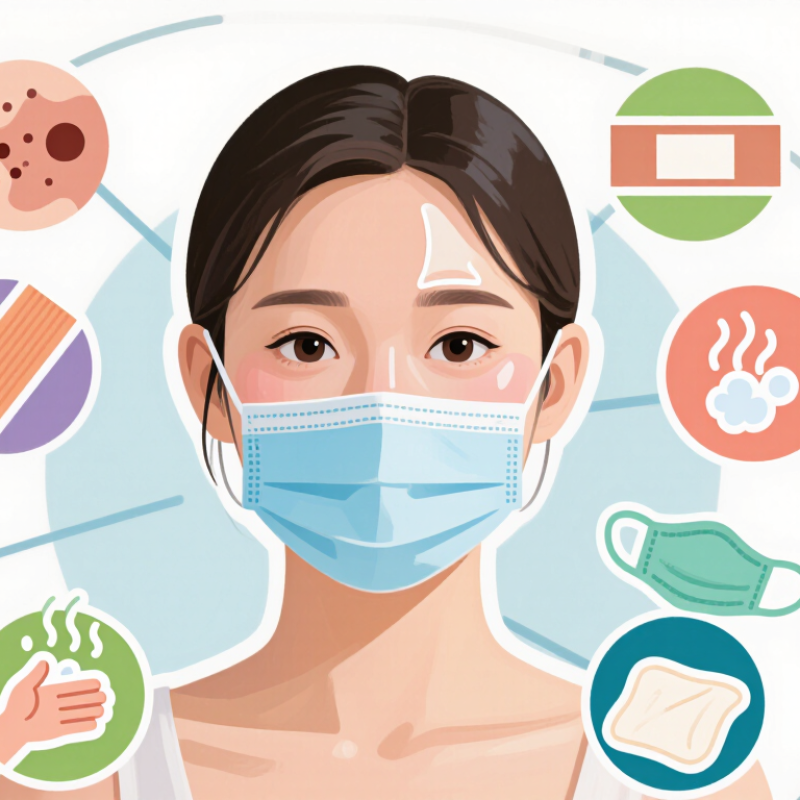
A close-fitting mask creates a small, humid microclimate against the face. Each exhale warms the fabric and adds moisture; trapped heat can increase sweating around the nose, cheeks, and chin. The damp surface may soften the outer skin layer, while sweat and oil collect near pores. Add repeated rubbing from talking or adjusting the mask, and irritation can join the picture. That matters.
A 2020 survey by Lan and colleagues in the Journal of the American Academy of Dermatology examined 542 frontline healthcare workers using protective equipment. The researchers reported skin damage in 97% of participants. That figure is not an acne rate, and the study cannot prove humidity caused breakouts. It does show how common skin problems can be under prolonged, enclosed, high-friction conditions.
The mask is not the whole story; hormones, existing acne, and skin products can also contribute. Still, a warm, damp mask may aggravate clogged pores or inflamed skin. If practical, change a wet mask, wash reusable ones as directed, and avoid layering heavy products beneath it. Small changes help, but they do not work for everyone.
A mask can leave more than a warm, damp patch of skin. Repeated rubbing along the nose, cheeks, and jaw may irritate the skin barrier, while firm pressure can leave tender marks. Sweat and trapped moisture can add to the discomfort. For some people, clogged pores and inflamed bumps follow; for others, the problem is dryness or soreness. Not every mark is acne.
Lan et al. (2020) reported PPE-related skin damage in 97% of 526 healthcare workers. That figure is striking, but it needs context: it describes healthcare workers using protective equipment, not everyone wearing a face mask, and it does not mean 97% developed acne. The study does, however, underline how prolonged pressure and friction can affect skin. A red line across the nose is easy to notice. Less obvious irritation may build beneath the mask.
If your skin feels raw, wash gently after wearing a mask and avoid scrubbing the irritated area. Check that the mask fits securely without unnecessary pressure; healthcare workers should follow workplace PPE requirements rather than loosen protective equipment. I used to think a few bumps meant poor cleansing. That is not always true. Duration, fit, heat, and individual skin sensitivity can all matter. A rash that persists, worsens, or becomes painful deserves medical advice.
Common contributors to mask-related breakouts and irritation. These factors are not ranked, and a breakout may have more than one cause.
| Potential reason | How it may affect skin | Common clues | Practical step |
|---|---|---|---|
| 1. Friction and rubbing | Repeated movement of the mask against the skin can irritate the skin barrier and aggravate inflamed spots. | Tenderness or redness where the mask edge moves, often around the nose, cheeks, or chin. | Choose a well-fitting mask that stays in place without rubbing; avoid repeatedly adjusting it. |
| 2. Pressure from a tight fit | Pressure from the nose area, edges, or straps can cause localized discomfort and pressure-related skin injury. | Marks, soreness, or irritation at contact points after wearing the mask. | Use a fit that is secure but not unnecessarily tight, while still following applicable safety guidance. |
| 3. Heat, sweat, and humidity | A warm, humid space under the mask can increase moisture and make irritation or acne-prone skin harder to manage. | Symptoms may feel worse after prolonged wear, exercise, or hot weather. | When safe and appropriate, take mask breaks in a private, well-ventilated setting; gently cleanse and dry the skin. |
| 4. Occlusion and blocked follicles | Covered skin has less exposure to air, and a combination of oil, sweat, and dead skin may contribute to clogged pores in acne-prone people. | Whiteheads, blackheads, or acne-like bumps in areas covered by the mask. | Use a gentle, non-comedogenic moisturizer and continue a skincare routine that your skin already tolerates. |
| 5. Long periods of continuous wear | Longer contact can extend exposure to pressure, friction, warmth, and moisture. | Irritation or breakouts become more noticeable on days with extended mask use. | Follow workplace and public-health guidance; replace a mask when it becomes damp or soiled. |
| 6. Damp, soiled, or infrequently changed masks | Moisture and residue can increase discomfort and irritation during continued contact with the skin. | The mask feels wet, dirty, or uncomfortable, or symptoms worsen after extended use. | Change disposable masks as directed and wash reusable masks regularly according to care instructions. |
| 7. Irritation from sweat or saliva | Moisture and residue around the mouth can irritate sensitive skin; this is not necessarily acne. | Stinging, redness, or flaky patches around the mouth or nose. | Pat the skin dry rather than scrubbing, and use a mild cleanser without added fragrance. |
| 8. Contact allergy to a mask component | Some people may react to a material or component in a mask; allergic contact dermatitis is different from acne and is not the most common explanation for every rash. | Persistent itchy, red, or eczematous patches in areas of contact. | Stop using a suspected product if possible and seek medical advice about identifying the cause. |
| 9. A flare of an existing skin condition | Heat, friction, and occlusion may aggravate conditions such as acne, rosacea, or eczema in some people. | A familiar pattern of pimples, flushing, or itchy patches returns or worsens under the mask. | Keep using prescribed treatment as directed and consult a clinician if the flare persists or worsens. |
| 10. Makeup or irritating skincare products | Makeup and products that irritate the skin may become less comfortable under a warm, covered area. | Symptoms follow a change in products or are concentrated where products sit beneath the mask. | Consider simplifying the routine and avoiding newly introduced or irritating products until the skin settles. |
Study context: Lan et al. (2020) reported PPE-related skin damage in 97% of 526 healthcare workers (HCWs). This finding concerns skin damage associated with personal protective equipment; it does not mean that 97% had acne caused by face masks. Pressure and friction are among the relevant forms of PPE-related skin stress.
A mask creates a warm, humid pocket over the nose, cheeks, and chin. With each breath, moisture collects against the skin and fabric. Sweat mixes with natural sebum, while rubbing shifts this film across areas already prone to clogged pores. That matters. The result may be small bumps, inflamed spots, or irritation along the mask’s edges. Not always. Similar-looking rashes can have different causes, so a breakout is not proof that your skin is dirty.
Makeup can add another layer beneath a mask. Foundation, concealer, and sunscreen may transfer onto fabric, then mix with sweat and oil during a long commute or work shift. Occlusion and repeated friction can make some people more likely to break out, though makeup alone is not always the culprit. A practical approach is to use less complexion product under the covered area and remove it gently after wearing the mask. Wash reusable masks regularly, and choose a clean, comfortable fit that does not rub. Avoid scrubbing or piling on strong acne products; irritated skin can become more uncomfortable. It is easy to blame one product, but heat, fit, skin sensitivity, and daily habits may all play a part.
A mask can hold warmth, sweat, oil, and moisture against your skin. Add pressure at the nose and cheeks, and clogged pores or irritation may follow. The easy assumption is “just acne.” It isn’t always; friction and dampness can also trigger redness or sore patches. A 2006 Contact Dermatitis study of healthcare workers found that 35.5% reported skin reactions to protective equipment. Among those reactions, acne was the most common, accounting for 59.6% (Foo et al., 2006). Longer wear was also associated with more problems. Small details matter.
Reuse can keep the cycle going. A mask worn again before it is washed or fully dried may bring old sweat, skin oil, and detergent residue back into contact with your face. In a 2020 study of 542 healthcare workers, 97% reported PPE-related skin damage; the nose bridge and cheeks were frequent sites (Lan et al., Journal of the American Academy of Dermatology, 2020). That group faced demanding conditions, so its figures should not be treated as a prediction for everyone. Still, the pattern is worth noticing. Wash reusable masks after each use with mild, fragrance-free detergent, rinse well, and let them dry completely. Replace disposable masks rather than washing them. If a rash keeps returning, changing masks may help, but it may not be the whole answer. A clinician can help distinguish acne from contact irritation.
Heat, sweat, and trapped breath can leave the skin damp beneath a mask. Add repeated rubbing across the nose, cheeks, and chin, and the skin barrier may become irritated. Small details matter. A rough seam, a tight ear loop, or detergent left in fabric can trigger redness or bumps, especially after several hours of wear. Not every mask-related breakout is acne.
Existing skin conditions can make the reaction stronger. People prone to acne may notice clogged pores where sweat and oil collect. Rosacea can flare with warmth and friction, while eczema may cause dry, itchy patches that sting under fabric. These problems can look similar, so guessing at the cause is not always helpful. I used to assume every new bump meant acne; that was too simple.
Use a clean, dry mask, and wash reusable ones with mild, fragrance-free detergent. Rinse them well. Choose a fit that stays secure without scraping the skin, and change a damp mask when practical. Cleanse gently after wearing it; harsh scrubs and frequent washing can worsen irritation. If a rash is painful, spreading, or persistent, a healthcare professional or dermatologist can help identify the cause and suggest suitable care.
Warmth and trapped moisture mix with sweat and natural skin oil. Rubbing can irritate skin or clog pores.
No. Not always. Heat, pressure, friction, and skin sensitivity can all contribute.
Foundation or concealer can transfer onto fabric and mix with sweat. Using less makeup beneath the covered area may help.
It reported PPE-related skin damage in 97% of healthcare workers studied. That finding does not mean 97% developed acne, or predict what happens to everyone wearing a mask.
Yes. Firm pressure may leave tender marks, while friction can cause raw or irritated patches. Similar-looking rashes can have different causes.
Wash it after each use with mild, fragrance-free detergent. Rinse well and let it dry completely.
No. The article recommends replacing disposable masks rather than washing them. A damp, reused mask may prolong irritation.
Check for rubbing, dampness, and pressure, but do not assume one cause. If it persists, worsens, or hurts, seek medical advice.
If you’re wondering, “why does my face break out from wearing masks,” several factors may be contributing. A mask can trap heat and humidity against the skin, creating a warm, damp environment that encourages irritation. At the same time, rubbing and pressure from a close fit may weaken the skin’s protective barrier. A 2020 study by Lan et al. reported PPE-related skin damage among 97% of 526 healthcare workers, highlighting how prolonged contact can affect skin.
Sweat, natural oils, and makeup can also build up beneath a mask and contribute to clogged pores or discomfort. Wearing a mask for long periods, or reusing one without proper cleaning or replacement, may prolong exposure to moisture and friction. Irritants in skincare or laundry products can add to the problem, while existing conditions such as acne, eczema, or rosacea may become more noticeable. Together, these factors can make the covered areas more prone to breakouts and irritation.

Tobe Health