The COVID-19 pandemic has led to increased mask usage, raising a common concern: "why does my face break out from wearing masks?" Research indicates that mask-wearing can cause skin issues, affecting 50% of the population, particularly those with sensitive skin. The friction from masks can lead to irritation and inflammation, creating an ideal environment for acne to develop.
Moreover, masks can trap moisture, sweat, and oils, further exacerbating breakouts. A study published in the Journal of the American Academy of Dermatology found that "maskne" is rooted in occlusion and the skin's microbiome imbalance. Understanding these factors is crucial in preventing skin problems while still following health guidelines.
It can be frustrating to deal with unexpected breakouts during this period. Identifying triggers and adapting skincare routines is essential for managing these conditions. Seeking advice from dermatologists can provide tailored solutions, bolstering skin health effectively.
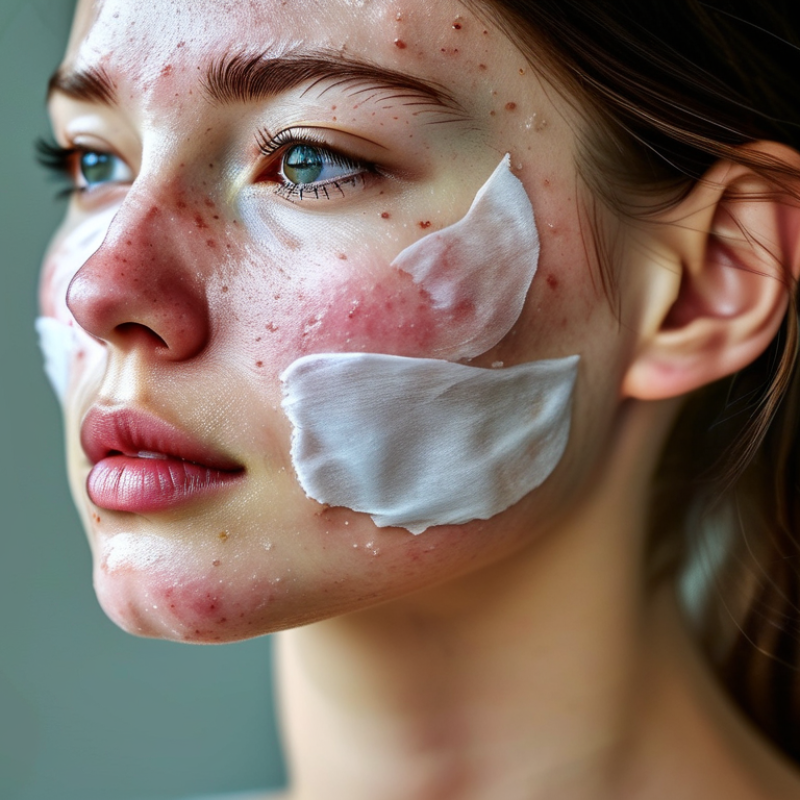
Understanding Mask-Induced Acne: Causes and Effects
Mask-induced acne, often referred to as "maskne," has become increasingly common. The friction from masks can irritate the skin. This irritation leads to clogged pores, which can cause breakouts. Furthermore, masks trap moisture and heat, creating an environment where bacteria thrive. Understanding these causes is crucial for effective management.
To combat mask-induced acne, ensure your skin is clean before wearing a mask. Wash your face with a gentle cleanser that suits your skin type. Avoid heavy makeup; it can clog your pores and worsen the problem. Opt for a mineral-based sunscreen instead. Keep your mask clean, and change it regularly. This reduces bacterial buildup and prevents irritation.
Moisturizing is essential, even if you struggle with breakouts. Look for non-comedogenic products that won't clog pores. Remember, not every product works for everyone. Experiment with different routines to find what suits your skin. It's a process of trial and error. Pay attention to how your skin reacts and adjust accordingly. Be patient as you navigate these skin changes.
Essential Skincare Routine for Mask-Wearing
Wearing masks can lead to skin breakouts, commonly known as "maskne." An essential skincare routine is crucial to mitigate this issue. Start with a gentle cleanser that removes dirt and oil. Look for ingredients like salicylic acid or tea tree oil. These can help prevent clogged pores. Cleanse your face both before and after wearing a mask. This will reduce bacteria and oil buildup.
Next, consider incorporating a lightweight moisturizer. It will keep your skin hydrated without feeling heavy. Choose non-comedogenic products that won't block pores. Hydration is key, especially for those with oily skin. Don't forget to exfoliate regularly, but not too often. Over-exfoliating can worsen irritation. Aim for once or twice a week, depending on your skin type.
Lastly, remember that everyone's skin reacts differently. You may find certain products work better for you. But trial and error takes time. Pay attention to any redness or irritation. If you notice consistent problems, consult a dermatologist for tailored advice. Skin health is a personal journey, and finding the right balance is essential.
Choosing the Right Masks to Reduce Breakouts
Choosing the right mask is essential for preventing breakouts while wearing them. For daily use, opt for masks made from breathable fabrics like cotton. These materials allow for better airflow, reducing the likelihood of sweat and oil buildup. Avoid synthetic fabrics, as they can trap moisture against your skin, leading to irritation and breakouts.
Fit matters, too. A snug fit is necessary, but it shouldn't be too tight. Masks that are too tight can cause friction on your skin, a common trigger for acne. Look for masks with adjustable ear loops or ties. This can help you create a comfortable fit tailored to your face shape.
Consider the frequency of washing your masks. Clean masks are vital for maintaining skin health. You should wash your reusable masks after each use. This routine prevents bacteria and dirt from accumulating, which can exacerbate breakouts. Remember that even the best masks can cause issues if not properly cared for. Regular maintenance is key to achieving clearer skin while staying safe.
Effective Treatment Options for Mask-Related Acne
Wearing masks can lead to unwanted breakouts, especially in sensitive areas. This condition is often referred to as "maskne." It's crucial to adopt a proper skincare routine to alleviate these skin concerns. A gentle cleanser can remove excess oil and dirt without stripping the skin. Look for ingredients like salicylic acid, which helps to unclog pores.
Hydration is key. A lightweight moisturizer keeps the skin balanced. However, it’s essential to select non-comedogenic products to prevent further breakouts. Additionally, consider incorporating exfoliation into your routine. Gentle exfoliants can remove dead skin cells that contribute to clogged pores. Remember, over-exfoliating can irritate the skin, so exercise caution.
Taking breaks from your mask when possible can also help. Ensure you regularly clean your masks to prevent bacteria buildup. It’s easy to overlook these details, yet they significantly impact skin health. Keeping skin clean and hydrated requires daily commitment. Managing mask-related acne is possible with the right strategies and patience.
Preventative Measures to Minimize Facial Breakouts
Wearing masks has become a routine for many, but it can lead to unwanted facial breakouts. According to a 2021 survey by the American Academy of Dermatology, nearly 50% of mask wearers reported skin issues, including acne and irritation. To combat this, it’s crucial to adopt preventive measures to minimize these breakouts.
One effective step is keeping the skin clean. Wash your face twice daily with a gentle cleanser. Look for products containing salicylic acid, which helps to unclog pores. Additionally, consider reducing makeup use underneath the mask. A 2020 study noted that heavy makeup could exacerbate acne issues due to increased pore blockage. Using non-comedogenic products can help alleviate this risk.
Proper mask care cannot be overstated. Opt for masks made from breathable fabrics, such as cotton, to allow better airflow. Regularly clean your mask to remove any accumulated bacteria. According to skincare experts, changing masks frequently can further decrease the chances of developing skin problems. Finally, don’t forget to moisturize. A lightweight, non-oily moisturizer can prevent dryness and irritation. However, be cautious; some individuals may react adversely to certain ingredients. Always test new products on a small area before full application.
FAQS
: Mask-induced acne, or "maskne," is caused by friction, clogged pores, and trapped moisture.
Clean your face before wearing a mask and use a gentle cleanser.
Yes, heavy makeup can clog pores and worsen breakouts. Choose minimal products.
Use a lightweight, non-comedogenic moisturizer to keep your skin hydrated without causing breakouts.
Exfoliate once or twice a week. Over-exfoliating can lead to increased irritation.
Choose masks made from breathable fabrics like cotton for better airflow.
Select masks with adjustable ear loops for a snug but comfortable fit.
Wash your reusable masks after each use to prevent bacterial buildup and irritation.
Pay attention to your skin's response. Adjust your routine or consult a dermatologist if needed.
Finding the right skincare routine is a personal journey that requires time and observation.
Conclusion
Wearing masks has become a necessary precaution, but many individuals are asking, "why does my face break out from wearing masks?" This phenomenon, commonly referred to as mask-induced acne, results from a combination of friction, trapped moisture, and increased oil production caused by the mask's material. Understanding the causes and effects of this condition is crucial in developing an effective approach to manage it.
To combat mask-related breakouts, establishing a fundamental skincare routine is essential. This should include gentle cleansing, hydration, and non-comedogenic products. Selecting the right masks, such as those made from breathable materials, can help minimize skin irritation. Additionally, treatments such as topical medications can effectively address existing acne. Preventative measures, including regular mask washing and proper skincare before and after mask-wearing, can significantly reduce the likelihood of facial breakouts, helping individuals maintain healthy skin despite the challenges of wearing masks.

 Tobe Health