When to Replace a Respirator Filter for Maximum Safety?

Time:2026-08-30 Author:Mason
0%

Respirator filters play a crucial role in maintaining air quality for workers in hazardous environments. Knowing when to replace a respirator filter is essential for ensuring maximum safety. According to the National Institute for Occupational Safety and Health (NIOSH), improperly maintained filters can significantly increase exposure to harmful particles. Data suggests that a filter’s effectiveness can diminish after extended use, leading to inadequate protection.

Determining when to replace a respirator filter hinges on various factors. The type of contaminants, duration of usage, and workplace conditions all contribute to filter lifespan. For example, filters used in environments with high levels of particulate matter may require more frequent replacement. Yet, many users fail to recognize the signs of filter exhaustion. Ignoring these indicators can lead to serious health risks.

Experts recommend a proactive approach to filter replacement. Regular monitoring and understanding manufacturer guidelines are vital. However, there is often a tendency to overlook these best practices. This oversight may stem from a lack of awareness or complacency in safety protocols. Acknowledging when to replace a respirator filter is not just a regulatory requirement; it’s a critical aspect of worker health and safety.
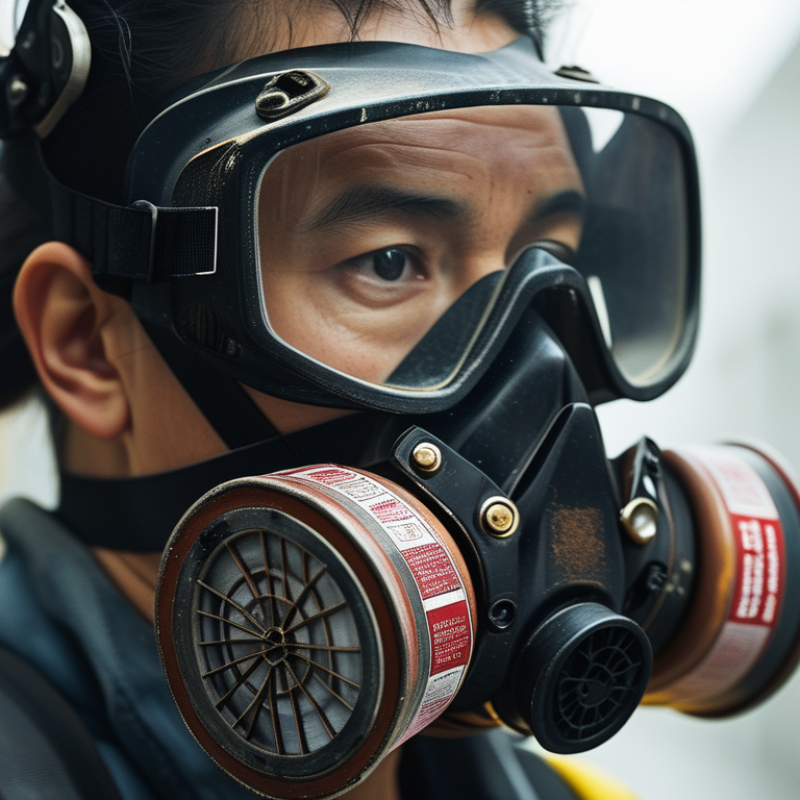
When to Replace a Respirator Filter for Maximum Safety?

When to Replace a Respirator Filter: Industry Guidelines and Standards

When working in environments with airborne hazards, knowing when to replace a respirator filter is essential. Many guidelines emphasize regular checks based on exposure levels and filter types. For instance, if a filter becomes difficult to breathe through, it's time for a change. Monitoring filters for discoloration or damage is also crucial. Regular inspections can prevent serious health risks.

Industry standards often recommend specific replacement timelines. Filters designed for particular contaminants may require quicker replacements. Some guidelines suggest changing filters after a set number of hours of use. Heavy-duty users should be more vigilant. It's common to overlook filter maintenance. Workers may hesitate, thinking they’re still effective.

Every workplace has unique requirements. What works for one may not apply to another. Ongoing training and awareness reduce the risks of respiratory exposure. Incorporating regular maintenance checks into safety protocols ensures maximum effectiveness. Engaging workers in these practices fosters a safety culture.

Key Indicators for Respirator Filter Replacement Based on Usage Intensity

When using a respirator filter, monitoring its condition is crucial for maximum safety. Key indicators include how often and intensely the filter is used. Professionals in high-exposure environments need to be especially attentive. If you notice increased resistance while breathing, it might be time for a change. Filters can become clogged with dust or particles over time.


Another sign of a worn-out filter is a noticeable change in smell or taste. Even a slight odor can indicate that the filter is no longer effective. Regular checks and awareness of these indicators can help prevent inhalation of harmful substances.


Ultimately, the intensity of use plays a significant role in filter longevity. In environments with a lot of airborne contaminants, filters degrade faster. Regular maintenance and timely replacement of the filter are essential for safety. Being proactive about this can prevent mishaps that might compromise health. Reflect on your habits and ensure filters are replaced when needed. Your safety may depend on it.

Impact of Filter Efficiency Ratings on Replacement Schedule

Understanding filter efficiency ratings is crucial for determining when to replace respirator filters. Filters are rated based on their ability to remove specific particles from the air. Ratings such as N95 indicate that at least 95% of airborne particles are filtered out. This information is vital, especially in environments like healthcare or construction, where exposure to hazardous particles is high.

Regular monitoring of filter performance is necessary. Research indicates that a filter's performance can degrade over time due to factors like temperature and humidity. For example, a study from the National Institute for Occupational Safety and Health highlights that used filters lose effectiveness after prolonged use. As filters become clogged, airflow resistance increases, making it harder to breathe.

It's important to assess not just the elapsed time since installation but also the filter's condition. A visual inspection may reveal discoloration or damage. Regular checks can prevent compromised safety. However, many users tend to overlook these details, leading to potential risks. Implementing a systematic replacement schedule based on real-time conditions, along with efficiency ratings, can greatly enhance safety in the workplace.

Environmental Factors Influencing Respirator Filter Lifespan

Environmental factors play a significant role in the lifespan of respirator filters. According to a report from the National Institute for Occupational Safety and Health (NIOSH), exposure to varying humidity levels can greatly affect filter performance. For instance, high humidity can lead to faster degradation of certain filter materials. Workers in industries with fluctuating environmental conditions should monitor these elements closely.

Pollution levels in the surrounding area also matter. A study published in the Journal of Occupational and Environmental Hygiene indicates that increased particulate matter can clog filters more rapidly. Filters exposed to elevated levels of dust or chemicals may need replacing sooner than expected. A visual inspection should be part of routine checks, helping to identify visible dirt or damage.

Temperature changes can be another critical factor. High temperatures can soften filter materials, while extreme cold may cause brittleness. This variability impacts how well a filter can fit and seal. It’s important to regularly assess filters under the conditions they will face during use. Recognizing these influences is key to maintaining optimum safety and ensuring that respirators function effectively.

When to Replace a Respirator Filter for Maximum Safety? - Environmental Factors Influencing Respirator Filter Lifespan

Environmental Factor Effect on Filter Lifespan Recommended Replacement Frequency Notes
High Humidity Reduces filter efficiency Every 4-6 hours of use Monitor for signs of saturation
Dust Concentration Increases filter clogging Every 8 hours of use Change more frequently if visibly dirty
Chemical Exposure Degradation of filter materials Every 2-3 hours of heavy exposure Consider specific chemical guidelines
Temperature Extremes Affects material integrity Every 5 hours of high heat exposure Inspect for deformation regularly
Particle Size and Type Impacts filtration efficiency Varies by type; check guidelines May require specialized filters

Regulatory Recommendations on Respirator Maintenance and Filter Change

Maintaining respirator filters is crucial for worker safety. Regulatory bodies emphasize that filters must be checked regularly. Depending on usage, a change might be necessary every few weeks or months. Dust and contaminants take their toll on filter efficiency. After extended use, a filter can become clogged. Users often underestimate this buildup, thinking filters last longer than they do.

Regulatory recommendations suggest keeping a log of filter changes. This ensures timely replacements. Monitoring usage can reveal patterns, helping predict when a filter needs changing. Environmental conditions also play a role. For example, filters used in dusty environments may require more frequent changes. Observing discomfort or difficulty in breathing can be a sign too. Many workers delay addressing such issues, jeopardizing their health.

Regular training on respirator maintenance is advised. This educates workers on the risks of using worn filters. They must understand the importance of fresh filters for maximum protection. A reluctant approach to filter changes can lead to increased safety hazards. Employees should feel empowered to report issues. It is a shared responsibility to ensure safety.

FAQS

: How can I tell if my respirator filter needs replacement?

: Check for increased resistance while breathing. Also, look for changes in smell or taste.

How often should respirator filters be checked?

Filters need regular checks. Depending on usage, changes may be needed every few weeks or months.

What happens if I don’t replace a worn-out filter?

Using a worn filter can expose you to harmful substances. It compromises your health and safety.

What should I do if my filter feels clogged?

Replace it immediately. Delaying this can lead to serious health risks.

Are there regulations regarding filter maintenance?

Yes, regulatory bodies suggest regular monitoring and timely changes based on filter condition.

Can environmental factors affect filter longevity?

Yes, in dusty environments, filters clog faster and require more frequent changes.

Why is training on respirator maintenance important?

Training helps workers understand risks and the importance of using fresh filters for safety.

How can I effectively monitor my filter usage?

Keeping a log of filter changes can help track usage and predict replacements.

What signs indicate I need to change my respirator filter?

Difficulty breathing or discomfort can signal it's time for a replacement.

Is it okay to use filters longer than recommended?

No, thinking filters last longer can lead to health hazards. Timely replacements are crucial.

Conclusion

Understanding when to replace a respirator filter is crucial for ensuring maximum safety in environments with potential respiratory hazards. Industry guidelines suggest that filter replacement schedules may vary based on factors such as usage intensity, filter efficiency ratings, and specific environmental conditions. Key indicators for replacement include noticeable changes in breathing resistance or a decline in air quality, which signal that filters may be reaching their functional limits.

Additionally, manufacturers' recommendations and regulatory standards provide a framework for maintaining respirator effectiveness. Environmental factors, such as humidity and exposure to hazardous substances, can further influence the lifespan of filters. Therefore, being informed about when to replace a respirator filter, in accordance with these guidelines and indicators, is essential for effective respiratory protection in the workplace.

Mason

Mason

Mason is a seasoned marketing professional with a deep expertise in the company's offerings and a passion for driving brand awareness. With a strong background in digital marketing strategies, he has an innate ability to connect with diverse audiences and effectively communicate product benefits.......