When it comes to ensuring your safety in hazardous environments, knowing how to achieve a proper seal with a respirator is crucial. A well-fitted respirator can protect you from harmful particles, gases, and vapors. However, many users overlook the importance of proper sealing. Insufficient sealing can lead to exposure, putting your health at risk.
To effectively seal a respirator, you should start with proper fit testing. This involves checking the respirator's size and shape against your facial features. A good seal feels snug, yet comfortable. Adjust the straps for a secure fit, ensuring no gaps around the mask's edges.
Regular inspections are vital. Inspect your respirator for damage or wear. Replace it if you notice any defects. Remember, even the smallest breach can compromise safety. Always prioritize training on respirator use and sealing techniques. A moment of carelessness can have lasting consequences. Overall, understanding how to properly seal your respirator can make a significant difference in your protection.
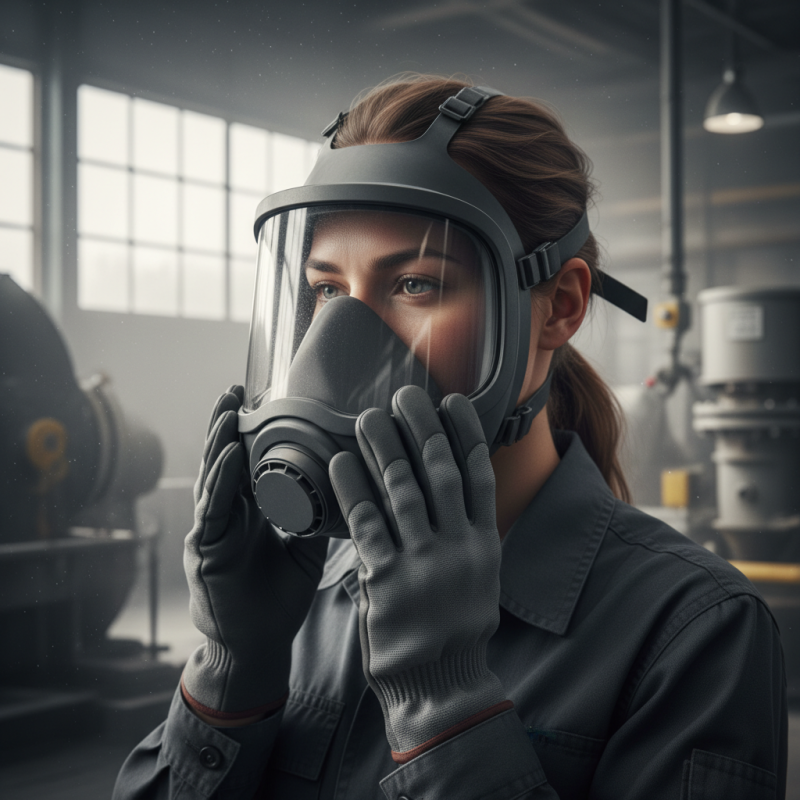
Factors Affecting Respirator Seal Integrity: Understanding the Basics
Understanding the factors that affect respirator seal integrity is crucial for ensuring maximum protection. A proper fit can be influenced by several elements, including facial hair, skin condition, and the type of respirator used. Facial hair can significantly compromise the seal, allowing contaminants to enter the breathing zone. Even small stubble can create gaps. This highlights the need for a clean-shaven face for optimal safety.
Additionally, the quality of the material plays a role. Some respirators are designed for specific environments. Their effectiveness is greatly reduced if not fitted correctly. It’s essential to inspect the respirator for any damages before use. Even a tiny tear can reduce filtering capability. Moisture and oils on the skin can also diminish the seal. A simple but effective practice is to ensure that the skin is clean and dry before putting on a respirator.
Conducting a user seal check can reveal any issues with the fit. Many users neglect this step, which is a missed opportunity for enhancing safety. Adjustments may be necessary after the initial fit test. Personal comfort is vital; however, it should never compromise the seal. Recognizing these factors is key to improving overall respirator effectiveness. Each detail matters in maintaining a safe breathing environment.
Steps to Achieve an Effective Seal on Different Types of Respirators
When sealing a respirator, achieving an effective fit is crucial for safety. Different types of respirators require specific techniques to ensure a proper seal. For example, with a N95 respirator, start by placing the mask over your nose and mouth. Pull the straps over your head, securing them behind your neck and above your ears. Make sure the mask is snug against your face. It’s essential to check for any gaps, adjusting it until it feels secure.
For half-mask respirators, the process is slightly different. Start with the respirator positioned correctly on your face. Adjust the straps so that it fits tightly but comfortably. Pinch the nose clip for a better fit on your nose. Perform a seal check by inhaling sharply; if the mask collapses, it’s a good seal. If there’s air leaking from the sides, readjust the straps.
With full-face respirators, the focus is on both the mask and the head harness. Position the mask correctly. Tighten the head harness evenly, ensuring it makes full contact with your skin. Conduct a fit test to confirm there are no leaks around the edges. Remember, the fit may not be perfect on the first attempt. Small adjustments can significantly improve the seal, offering better protection against airborne contaminants.
How to Properly Seal a Respirator for Maximum Protection? - Steps to Achieve an Effective Seal on Different Types of Respirators
| Type of Respirator |
Sealing Method |
Fit Check Procedure |
Common Issues |
| Half Mask Respirator |
Ensure straps are tightened evenly for a snug fit. |
Positive pressure and negative pressure checks. |
Air leakage, discomfort, improper strap adjustment. |
| Full Face Respirator |
Adjust head straps and ensure the seal around the face. |
Seal check using inhalation and exhalation methods. |
Fogging of lens, discomfort on face. |
| N95 Respirator |
Press metal nose piece to conform to the nose shape. |
Fit check by covering and inhaling deeply. |
Gaps at the sides, discomfort due to tight fit. |
| Powered Air-Purifying Respirator (PAPR) |
Check that the hood or helmet fits securely. |
Check airflow and seal around face or neck. |
Noise from blower, obstruction of airflow. |
Importance of Fit Testing: Standards and Procedures in the Industry
Fit testing is a critical step in ensuring the effectiveness of respirators. It assesses whether the respirator forms a proper seal on the user's face.
A tight fit guarantees that inhaled air passes through the filter. Without fit testing, users might unknowingly wear equipment that offers minimal protection.
Standards for fit testing include qualitative and quantitative methods.
Qualitative tests depend on the user's response to an aerosol challenge.
Quantitative tests use specialized equipment to measure leakage.
Industry guidelines recommend these procedures for various settings, especially where health risks are prevalent.
Improperly fitted respirators can lead to exposure to harmful substances. It's essential to regularly check the seal,
especially during varying work conditions. Users should be aware of the signs of a poor fit.
This awareness helps them take corrective actions when necessary. Individual differences, like beard growth or facial structure,
can affect fit. Regular training and reminders can address these challenges.
Common Mistakes in Sealing Respirators and How to Avoid Them
Sealing a respirator properly is crucial for your safety. Many users unknowingly make common mistakes that compromise their protection levels. One frequent error is not conducting a fit check each time the respirator is donned. This quick assessment can reveal gaps that allow contaminants to enter. A simple inhale and exhale test can help ensure a snug fit.
Another issue arises from improper positioning of the respirator on the face. Users often overlook the importance of adjusting the straps correctly. Straps that are too loose can lead to an inadequate seal, while overtightening can cause discomfort and may lead to an improper fit. It feels uncomfortable, but it matters. Pay attention to those little adjustments—they can make a big difference in effectiveness.
Lastly, facial hair poses a considerable challenge to achieving a proper seal. Even a bit of stubble can prevent the respirator from fitting snugly. In these cases, trimming or shaving may be necessary. Recognizing and addressing these pitfalls can significantly enhance your overall level of protection. Reflection on these common mistakes is key to ensuring your safety when using respiratory protective equipment.
Materials and Design Features that Enhance Respirator Sealing Efficiency
When it comes to respirators, the sealing efficiency is crucial for protection. Recent studies indicate that poorly sealed respirators can lead to a 30% increase in exposure to harmful particulates. To combat this, the materials used play a vital role.
Soft silicone gaskets provide a better fit and enhance comfort, reducing the chance of gaps that allow contaminated air in. Additionally, the use of high-quality, flexible materials can adapt better to facial contours, promoting an adequate seal.
Design features are equally important. The incorporation of adjustable straps can improve tightness and allow users to customize the fit. Studies show that a secure fit reduces the likelihood of leaks by nearly 40%. Also, features like exhalation valves can prevent moisture build-up, ensuring the respirator remains effective longer. Yet, even with advanced designs, ensuring a perfect seal can be challenging.
Factors such as facial hair and skin conditions may compromise the fit, leading to potential risks.
FAQS
: Facial hair, skin condition, and respirator type all impact the seal's integrity.
Even small stubble can create gaps, allowing contaminants to enter. A clean-shaven face ensures a better fit.
If a respirator isn't fitted correctly, its effectiveness may be greatly reduced. Inspect for damages before use.
Ensure your skin is clean and dry. Adjust straps for a snug fit and look for gaps.
It’s vital and often neglected; this check reveals fit issues and enhances safety.
Yes, personal comfort is important, but it should never compromise seal integrity.
Follow specific techniques: adjust straps, check nose clip, and perform seal tests.
Readjust the straps or position of the respirator until a secure fit is achieved.
Yes, the fit may not be perfect on the first try. Small adjustments can make a big difference.
A fit test confirms there are no leaks, providing better protection against airborne contaminants.
Conclusion
In the quest for maximum protection, understanding how to achieve a proper seal with a respirator is crucial. Several factors impact the seal integrity, including facial fit, respirator design, and user compliance. To ensure an effective seal, it’s important to follow specific steps tailored to different types of respirators. Additionally, fit testing plays a vital role in compliance with industry standards, ensuring that the respirator provides the intended protection.
Common mistakes, such as improper adjustment or failure to inspect the respirator for defects, can significantly compromise the seal. By being aware of these pitfalls and choosing materials and design features specifically targeted to enhance sealing efficiency, users can significantly improve their respiratory protection. Proper training and maintenance further ensure that the respirator performs to its fullest potential, safeguarding users in a variety of hazardous environments.

 Tobe Health