Choosing melt-blown cloth for masks requires more than checking a product photo or a promising filtration number. The key question is often, “what is the melt-blown cloth in masks?” It is a fine-fiber nonwoven layer that can capture small particles through mechanical and electrostatic effects. Its performance depends on fiber structure, electrical charge, thickness, and manufacturing consistency. A good material should support filtration without making breathing unnecessarily difficult.
Look for a clear technical data sheet, batch information, and test results from a qualified laboratory. Check the reported particle size, airflow resistance, test method, and test conditions. These details make comparisons more reliable. The fabric should also appear evenly formed, without thin patches, loose fibers, strong odors, or visible contamination. Small details matter.
Fit still matters.
Even excellent filter media cannot compensate for large gaps around the nose or cheeks. Practical evaluation should consider filtration, breathability, skin comfort, odor, storage, and production stability. Applicable regional standards should guide final decisions, not marketing language alone. A high efficiency figure may reflect laboratory conditions that do not match daily use. That limitation deserves attention.
No material choice is perfect. Some suppliers provide incomplete evidence, while some test results become outdated after production changes. Ask for recent documentation and, when possible, independent verification. This guide explains how to compare melt-blown layers carefully, recognize weak claims, and select a balanced option for the intended mask design.
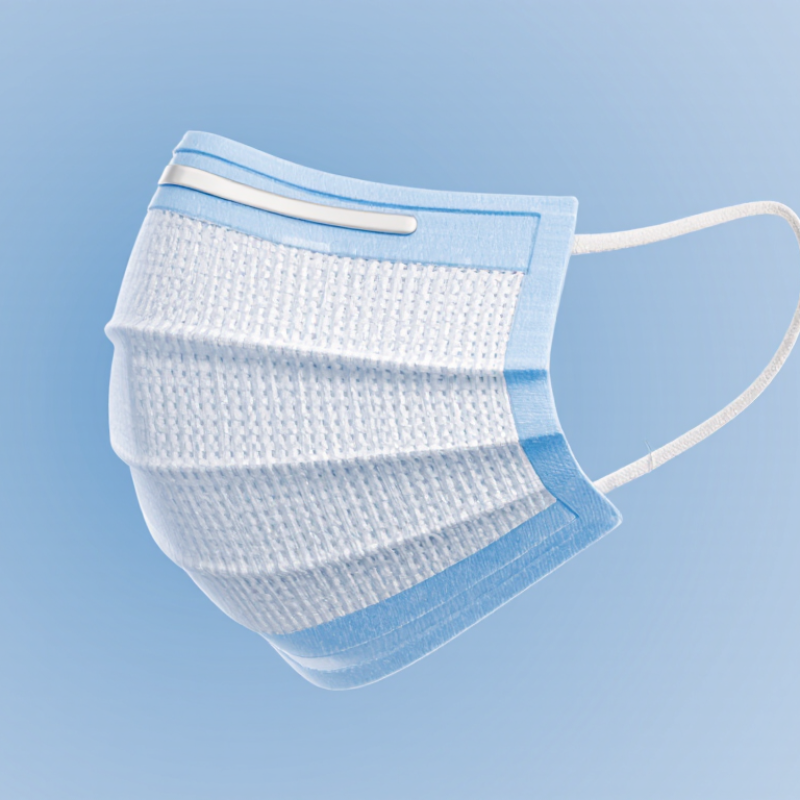
Identify the Filtration Role of Melt Blown Cloth in Masks
How to Choose Melt Blown Cloth for Masks?
Identify the Filtration Role of Melt Blown Cloth in Masks
Melt blown cloth is usually the mask’s main filtration layer. Its dense web contains very fine fibers that slow airborne particles. The layer does more than act as a simple sieve. Interception, diffusion, and electrostatic attraction help capture particles as air passes through. The material should filter effectively without making breathing uncomfortably difficult.
When choosing melt blown cloth, check filtration efficiency and pressure drop together. A high filtration number can mislead if airflow feels restricted. Ask for test data showing particle size, airflow rate, and testing conditions. Basis weight, fiber diameter, and electrostatic charge also affect performance. Charge stability matters because moisture, storage time, and heat may reduce it. Do not judge quality by thickness alone.
Look closely at the web’s uniformity. Thin spots can create weak paths for air. Uneven edges may also complicate mask sealing. During evaluation, compare samples under controlled conditions and inspect the layer after handling. Fit still matters. Even excellent filter media cannot perform well around large gaps. I sometimes see specifications treated as permanent facts, but real performance can change during production. Repeat testing is wiser than trusting one attractive report.
Check Particle Filtration, Breathability, and Electrostatic Performance
How to Choose Melt Blown Cloth for Masks?
Particle filtration should be your first measurable checkpoint. A dense-looking melt blown layer can still perform poorly. Ask for test results showing particle filtration efficiency under defined conditions. Check the particle size, airflow rate, and testing method. Without these details, a high percentage means little. In practical mask production, I compare several batches rather than trusting one sample. Small fiber differences can change performance.
Breathability matters just as much. Excessive breathing resistance makes a mask uncomfortable and may encourage poor fitting. Look for pressure-drop data, then examine the fabric by gently blowing through it. This simple check is not a laboratory test. It only reveals obvious differences. Electrostatic performance deserves careful attention, too. Many melt blown fibers capture fine particles through an electric charge, not density alone. Humidity, heat, friction, and long storage can weaken that charge. Keep samples sealed, dry, and away from strong heat. Ask suppliers for charge-retention data and recent batch records. Test masks after normal handling, not only when the material is fresh. I have found that appearance is a weak guide. A soft, white layer may feel excellent but lack stable filtration. That is an easy mistake to make.
How to Choose Melt Blown Cloth for Masks? - Check Particle Filtration, Breathability, and Electrostatic Performance
| Melt Blown Media Profile |
Basis Weight
(g/m²) |
Typical Thickness
(mm) |
Particle Filtration
(PFE at 0.3 µm) |
Breathability
(Pressure Drop) |
Electrostatic Performance |
Recommended Use |
| Lightweight filtration layer |
15–20 |
0.10–0.18 |
90–95% |
≤ 60 Pa |
Moderate-to-high initial electrostatic capture; verify charge retention after storage and humidity exposure. |
Lightweight disposable masks where low resistance is prioritized. |
| Standard mask-grade layer |
20–30 |
0.15–0.25 |
95–98% |
60–100 Pa |
Strong electrostatic contribution with a balanced filtration-to-breathability ratio. |
General three-layer disposable mask construction. |
| High-filtration layer |
30–40 |
0.20–0.35 |
98–99%+ |
100–150 Pa |
High charge-assisted capture; confirm that filtration remains stable after conditioning and handling. |
Applications requiring higher particle filtration and where added breathing resistance is acceptable. |
| Multi-layer high-performance media |
40–60 |
0.30–0.50 |
≥ 99% |
150–250 Pa |
Very high initial filtration potential; electrostatic charge quality must be verified because excessive basis weight can increase pressure drop. |
Specialized respirator or filter constructions subject to complete product testing. |
How to interpret the data:
The performance ranges above are indicative screening ranges for polypropylene melt blown media, not certification claims. Actual results depend on fiber diameter, web uniformity, electret charging, test flow rate, humidity, sample area, and the complete mask design.
| Evaluation Item |
What to Check |
Common Reference Method |
| Particle filtration |
Particle size, test flow rate, filtration percentage, and whether the result applies to the media or the finished mask. |
ASTM F2299/F2299M or EN 13274-7, depending on the applicable product category. |
| Breathability |
Pressure drop across a defined area at a specified air flow. Lower pressure drop generally indicates easier breathing. |
ASTM F2100, EN 14683, or the relevant respirator standard. |
| Electrostatic performance |
Initial filtration, filtration after humidity conditioning, charge decay, and performance after suitable aging or handling tests. |
Use a documented electret or charge-retention procedure; no single universal test covers every mask application. |
| Material consistency |
Basis-weight variation, thickness variation, width, roll appearance, fiber shedding, and defect rate. |
Supplier specification, incoming inspection plan, and batch sampling records. |
Selection tip: For most disposable masks, select a media grade that achieves the required particle filtration while keeping pressure drop as low as practical. Do not judge electrostatic performance from basis weight alone; request test data for initial filtration, conditioned filtration, and charge retention.
Match Melt Blown Cloth Specifications to the Intended Mask Type
How to Choose Melt Blown Cloth for Masks?
Match Melt Blown Cloth Specifications to the Intended Mask Type
Melt blown cloth should match the mask’s purpose, not merely its appearance. A lightweight daily mask may need balanced filtration and easy breathing. A respirator-style mask usually requires higher filtration performance, controlled pressure drop, and stable electrostatic charge. Medical or surgical designs may also need fluid resistance and dependable layer bonding.
Check filtration efficiency, pressure drop, basis weight, fiber diameter, and charge retention. These figures work together. Higher basis weight can improve filtration, but it may make breathing uncomfortable. Very low pressure drop can sound attractive. However, weak filtration may result. The material should be tested as part of the finished mask, because folding, sealing, and stitching can change performance.
In practical production, I would request recent test reports and lot-specific data. Check whether the report identifies test methods, airflow, sample conditioning, and measurement units. Store rolls away from heat, dust, oil, and excessive humidity. Electrostatic performance can weaken during poor storage. That detail is easy to miss.
A specification sheet is useful, but it is not the mask.
Fit also matters. Gaps near the nose or cheeks can reduce real-world protection, even when the filter media performs well in the laboratory. I have seen teams choose material by filtration percentage alone, then revise the design after wear trials. That choice was not entirely wrong, but it was incomplete.
How to Choose Melt Blown Cloth for Masks?
Match Melt Blown Cloth Specifications to the Intended Mask Type
The chart shows typical engineering starting points for melt-blown basis weight and filtration targets. A non-medical filter insert has no universal regulatory filtration requirement, while surgical masks and particulate respirators must be verified against their applicable test methods. Higher basis weight does not automatically guarantee better protection because filtration efficiency, pressure drop, fiber structure, and electrostatic charge must be evaluated together.
Compare Cost, Availability, and Performance Before Making a Choice
Choosing melt blown cloth for a mask requires more than finding the lowest price.
The material usually contains fine polypropylene fibers that support particle filtration. However, cost changes with fiber density, production volume, testing, and delivery distance. Cheap material may become expensive after delays, rejected batches, or extra inspection.
Availability deserves close attention.
Ask suppliers about monthly capacity, standard roll widths, lead times, and backup production plans. A regular supply is valuable during sudden demand changes. Request recent test reports, production dates, and batch records. Do not rely on one sample alone. Performance can vary between lots.
Filtration efficiency matters, but it is not the only measure.
Air resistance affects breathing comfort. Material softness influences how well the mask seals around the face. Electrostatic performance may weaken after poor storage, high humidity, or excessive heat. Keep rolls sealed and inspect them before use. A good comparison should record filtration, pressure drop, weight, and consistency under the same test conditions. Lab data may look impressive, yet factory handling can reduce real-world results. This is where buyers sometimes misjudge the material. A slightly higher price may support steadier quality, but not always. Check the evidence. Compare delivered cost, usable output, and supply reliability together.
Conclusion
Choosing the right melt-blown cloth is essential because it serves as the main filtration layer in many protective masks. To understand what is the melt-blown cloth in masks, it is a fine fiber material designed to capture airborne particles while maintaining suitable airflow. When selecting it, evaluate particle filtration efficiency, breathability, and electrostatic performance together, since strong filtration should not make the mask difficult or uncomfortable to breathe through.
The material should also match the intended mask type and its expected use. Check fiber uniformity, layer structure, cleanliness, and manufacturing consistency, while confirming that the product meets relevant quality and safety requirements. A reliable supplier should provide clear technical information, stable production, and reasonable testing documentation. Finally, compare filtration results, comfort, availability, service life, and total cost rather than choosing solely by price. A balanced evaluation will help ensure that the selected melt-blown cloth provides dependable performance and supports the overall quality of the finished mask.

 Tobe Health