How Long Can You Wear a Disposable Face Mask Safely?

Time:2026-05-01 Author:Henry
0%

As the world continues to adapt to health precautions, the question arises: how long can you wear a disposable face mask safely? Dr. Emily Carter, an expert in respiratory health, states, "Wearing a mask is important, but timing matters." This highlights the significance of understanding mask longevity.

Disposable masks are designed for limited use. Generally, they should be worn for about one to four hours, depending on various factors. Factors like humidity and activity level affect mask performance. Excess moisture can lead to decreased effectiveness. Keeping track of the time is crucial to ensure safety.

Many people may not realize the risks of prolonged wear. Masks can trap moisture and bacteria, potentially harming respiratory health. An awareness of how long can you wear a disposable face mask can enhance protection. Thus, responsible mask usage entails not just wearing them but also knowing when to replace them for optimal effectiveness.
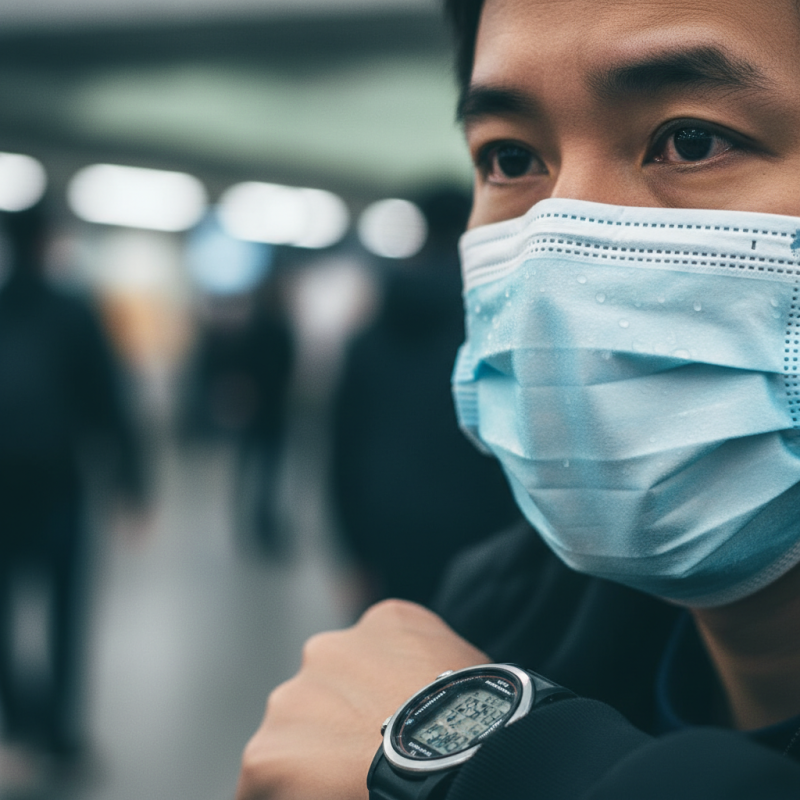
How Long Can You Wear a Disposable Face Mask Safely?

What Are Disposable Face Masks and Their Common Uses?

Disposable face masks have become commonplace in various settings. They are primarily designed to prevent the spread of respiratory droplets. These masks are made of multiple layers of fabric, which filter out harmful particles. Common uses include visits to healthcare facilities, public transport, and crowded places.

In healthcare settings, disposable masks protect both the wearer and patients. They play a crucial role in infection control. However, the effectiveness diminishes over time. Users should be mindful of their condition. A visibly soiled or damp mask should be discarded. Misuse can lead to exposure rather than protection.

Wearing a disposable mask isn't foolproof. Many people forget to wash their hands before putting on or taking off a mask. This can negate its benefits. Furthermore, masks need to fit snugly. Gaps around the edges can let germs escape. Reflecting on these points can enhance safety while using disposable masks.

Understanding the Different Types of Disposable Face Masks Available

When it comes to disposable face masks, understanding the types available is crucial. There are basic surgical masks and higher-grade N95 respirators. Surgical masks are effective in blocking larger droplets but do not fit tightly on the face. They are commonly used in medical settings. However, they may not provide adequate protection in high-risk situations.

On the other hand, N95 respirators are designed to filter out at least 95% of small particles. They form a snug seal around the face, offering a higher level of filtration. Even within disposable masks, the differences matter. Some people find N95 masks uncomfortable for extended wear. The material can get warm and may lead to skin irritation.

It’s important to remember that wearing a mask is not a one-size-fits-all solution. Think about your environment and potential exposure levels. If you wear a disposable mask for too long, it loses its effectiveness. Consider changing your mask if it becomes damp or damaged. Regularly replacing your mask is vital for maintaining safety and effectiveness.

Factors Influencing the Safe Duration of Wearing a Disposable Mask

Wearing a disposable face mask is essential for mitigating airborne illnesses. However, understanding how long it is safe to use one is crucial. Factors influencing mask durability include material quality, exposure to moisture, and the user's activity level. Research from the CDC indicates that masks lose functionality after prolonged use, especially in humid environments.

In many cases, a disposable mask should not be worn for more than four hours continuously. When worn during intense activities, like jogging or cycling, this duration may shrink. Users should be aware of signs of degradation, such as visible moisture and odor. A 2022 study found that 84% of respondents changed their masks less frequently than recommended. This oversight can compromise protection.

Additionally, individual factors play a role. Some users may breathe heavily due to underlying health issues, making mask changes necessary more frequently. For example, during flu season, the risk of contamination rises. Therefore, it is critical to monitor the mask's condition regularly. Regular inspections can ensure safety and enhance protection against airborne pathogens. Reflecting on personal habits may improve mask adherence in daily life.

Signs That Indicate It's Time to Replace Your Disposable Face Mask

Disposable face masks are essential for protecting yourself and others from respiratory infections. However, knowing when to replace them is crucial. Signs that indicate it's time to replace your mask can sometimes be overlooked.

If your mask becomes visibly soiled, it should be discarded immediately. A cloth mask often traps moisture, making it a breeding ground for bacteria. The CDC suggests changing your mask after a few hours of continuous use. This is particularly important if it's damp or if you've been in a crowded space.

Another sign is discomfort. If your mask feels tight or causes irritation, it might be time for a new one. Masks lose their effectiveness when they degrade or lose shape. According to the World Health Organization (WHO), a mask's filtration efficiency decreases after prolonged use, compromising its ability to protect effectively. Regularly checking for damage or wear is not just a good habit; it is vital for optimal safety.

Best Practices for the Safe Use and Disposal of Disposable Face Masks

Wearing a disposable face mask safely requires adherence to best practices. Research indicates that masks are effective for about four hours in optimal conditions. Over time, masks retain moisture and lose their ability to filter effectively. Once compromised, they may not provide adequate protection against pathogens.

**Tips:** Change your mask if it becomes damp or visibly dirty. Ideal conditions and proper handling can extend their effectiveness. Avoid touching the front of the mask while wearing it. Doing so can transfer germs to your face.

Proper disposal is crucial. Masks should ideally be discarded after a single use. Dispose of them in a sealed bag to prevent environmental contamination. According to environmental studies, millions of masks are improperly discarded, posing hazards to wildlife and ecosystems.

**Tips:** Always wash your hands after handling a mask. Consider organizing a recycling program for disposable masks at community centers. Educational efforts are vital in improving mask disposal practices. Implementing these strategies aids in maintaining public health and environmental safety.

How Long Can You Wear a Disposable Face Mask Safely? - Best Practices for the Safe Use and Disposal of Disposable Face Masks

Mask Type Safe Wear Duration Key Best Practices Disposal Method
Surgical Masks 4-8 hours Ensure a snug fit, avoid touching the front Dispose in a sealed bag in trash
N95 Respirators 8 hours of continuous use Fit-tested, facial hair may affect seal Follow local regulations; some can be reused
Cloth Masks Varies, typically 1-2 hours Wash frequently, do not share Wash in hot water and dry
Disposable Face Shields 8 hours Clean regularly, not a substitute for masks Check local waste guidelines

FAQS

: What are disposable face masks used for?

: Disposable masks help prevent the spread of respiratory droplets. Commonly used in healthcare, transport, and crowded areas.

How should I dispose of a dirty mask?

A visibly soiled or damp mask should be discarded immediately. This helps maintain hygiene and safety.

When is it time to replace my disposable mask?

Replace your mask if it is damp, soiled, or if using it for several hours. Regular checks are important.

Can wearing a mask be ineffective?

Yes, if not used correctly. Forgetting to wash hands can reduce mask effectiveness. Fit is also crucial.

What happens if my mask fits poorly?

Gaps around the edges can allow germs to escape. Adjust your mask for a snug fit to ensure better protection.

How can I enhance safety while using a mask?

Regularly check the mask's condition. Replace it when necessary to maximize protection against respiratory infections.

What should I do if my mask feels uncomfortable?

If your mask is tight or irritating, consider replacing it. Comfort and fit are essential for effectiveness.

Are there bacteria concerns with prolonged use?

Yes, moisture can create a breeding ground for bacteria. Change your mask often, especially in crowded conditions.

Does mask effectiveness decrease over time?

Yes, masks lose filtration efficiency with wear. Regularly replacing them ensures continuous protection.

Is it common to misuse masks?

Many people forget proper hand hygiene before and after use. Reflecting on this can improve overall safety and effectiveness.

Conclusion

In addressing the question of "how long can you wear a disposable face mask," it's important to understand the different types of disposable masks available, including surgical masks and N95 respirators, each designed for specific uses and environments. Generally, the safe duration of wear can vary based on factors such as the mask's material, usage conditions, and individual factors like personal comfort and exposure to contaminants.

To ensure safety, one should be vigilant for signs indicating it's time to replace the mask, such as visible damage, difficulty breathing, or excessive moisture. Practicing best methods for usage and disposal is also essential; masks should be disposed of properly after use to maintain hygiene and protect public health. By adhering to these guidelines and understanding the limitations of disposable masks, you can effectively determine how long you can wear a disposable face mask safely.

Henry

Henry

Henry is a dedicated marketing professional with a profound expertise in the company's offerings. With years of experience in the industry, he possesses an impressive understanding of the market dynamics and consumer behaviors that drive success. Henry is committed to sharing his insights through......