China’s respirator market includes established manufacturers, specialized suppliers, and many brands competing across industrial, medical, and consumer applications. This article introduces ten notable China respirator brands and explains the practical signals buyers should examine before choosing one. Brand visibility alone is not enough. A polished website can still hide weak documentation, unclear sourcing, or inconsistent product quality.
The central question is how to identify fake respirator brands. Start with traceable company information, current product specifications, and verifiable testing records. Check whether the manufacturer provides a physical address, responsive technical support, and consistent model numbers across packaging and documents. Look closely at the respirator itself. Uneven seams, fading labels, damaged straps, or a strong chemical odor deserve attention. So do vague claims such as “maximum protection” without a clearly stated performance standard.
Details matter. Compare the box, user instructions, product markings, and supplier invoice. They should tell the same story. Reliable brands usually explain filtration performance, intended use, storage conditions, and replacement guidance in plain language. Independent verification can add confidence, although it should not replace careful inspection. I have found that buyers sometimes trust certificates too quickly. That is a mistake worth acknowledging. Documents may be outdated, incomplete, or unrelated to the exact model.
A responsible evaluation also considers comfort, fit, batch consistency, customer feedback, and after-sales support. No single clue proves authenticity. The strongest judgment comes from several consistent sources. Use this guide as a practical starting point, not a substitute for professional procurement or workplace safety advice.
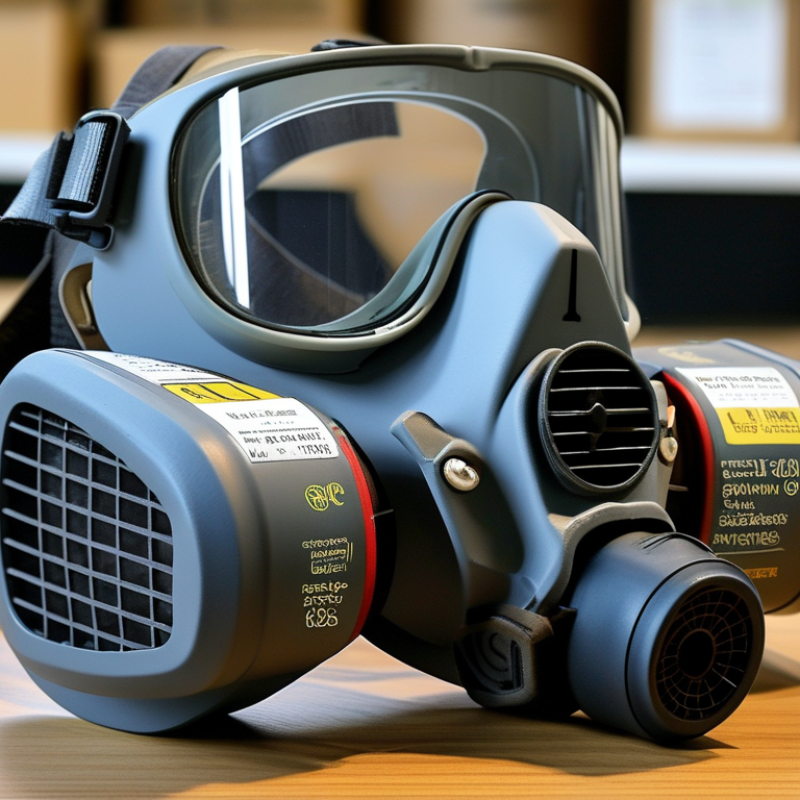
China’s respirator industry serves hospitals, factories, construction sites, and export markets. Strong manufacturers combine automated production with strict quality controls. In my experience reviewing protective equipment, a reliable mask begins with stable materials, not attractive packaging. Melt-blown filtration media should have consistent structure and documented performance. Production records should connect each batch to testing results. Small details matter.
Evaluating a leading manufacturer requires more than checking a printed certificate. Confirm the certificate number through the issuing authority’s public database, where available. Compare the manufacturer, model, filtration class, and testing standard across every document. Request recent laboratory reports, quality-system records, and factory audit evidence. Reliable suppliers explain testing methods clearly. Vague answers deserve caution. A sample should fit comfortably, seal around the nose, and remain usable during movement. Laboratory performance cannot replace real-world fit. This is often overlooked.
Packaging can reveal inconsistencies, but it is not proof by itself. Check spelling, lot codes, production dates, labeling quality, and traceability marks. Compare several cartons from the same shipment. Genuine production may still contain occasional printing errors, so judgment should not depend on one detail. I once treated neat packaging as a sign of quality. That assumption was wrong. Independent verification is stronger than appearance. Buyers should retain samples, invoices, test documents, and delivery records. These records support accountability when product performance changes. The best evaluation combines technical evidence, supplier experience, and careful skepticism.
The top ten Chinese respirator manufacturers should be assessed by product quality and market scope, not advertising claims. Quality screening should include GB 2626-2019 testing, filtration results, breathing resistance, and fit performance. The standard requires KN95 particulate respirators to filter at least 95% of test particles under defined laboratory conditions. MarketsandMarkets reports that the global respiratory protective equipment market continues to expand, driven by workplace safety and healthcare demand. This growth also makes misleading packaging easier to notice.
Look for a complete manufacturer name, production license, standard number, batch code, and traceable test report. Scan the code, then compare its details with official records. A genuine package should show consistent printing, sealed layers, and clear model information. The filter should not shed fibers when handled. The nose clip should hold firmly, yet remain adjustable.
Market scope matters too. Strong Chinese manufacturers usually serve industrial, medical, construction, and export channels, with repeated procurement records. Independent certification bodies and occupational safety laboratories provide stronger evidence than marketplace ratings. The China National Institute for Occupational Safety and Health recommends fit testing because laboratory filtration alone cannot prove wearer protection. My own screening experience shows one weakness: attractive packaging often receives too much attention. A better review combines documents, samples, factory capability, and user fit. No ranking is permanent.
Authentic respirators should match a recognized certification system, not merely display a familiar logo.
In the United States, verify the approval number through the NIOSH Certified Equipment List. Check the manufacturer, model, approval scope, and packaging details. A missing or altered “TC” number is a serious warning. For European products, confirm the CE mark, four-digit notified-body number, and a valid EU type-examination certificate. The standard EN 149:2001+A1:2009 should appear where applicable, with the correct FFP classification.
China-made products require careful checking against GB 2626-2019 and the stated KN or KP classification. Test reports should identify the exact model, not a similar-looking product. QR codes help, but they are not proof. Counterfeit packaging can reproduce them easily. The European Commission’s Safety Gate 2023 report recorded 3,412 product alerts across its system, showing how widely product-safety problems are monitored. Respiratory protection remains a high-risk inspection area because performance failures are difficult to see.
Look closely at printing, edge seals, elastic attachment points, lot codes, and spelling. Uneven ink or inconsistent spacing deserves attention. Buying through an authorized supply channel also improves traceability, although it cannot replace certificate verification. One practical mistake is trusting a laboratory report without checking its issuing body. Another is assuming every item in a certified product family is identical. Verification needs both documents and physical inspection.
Sometimes, the uncomfortable answer is uncertainty. Don’t use it.
China Top 10 Respirator Brands: How to Identify Fake Respirator Brands?
When comparing respirator brands in China, authenticity starts with physical evidence, not attractive advertising. Inspect the carton under bright light. Genuine packaging usually shows sharp printing, consistent spacing, intact seals, and clear product information. Check the model, filtration class, size, production date, expiry date, and storage instructions. Misspellings, faded ink, mismatched fonts, or loose labels deserve attention. A clean box can still mislead.
Tips:
Record the serial number before opening the package. Verify it through the manufacturer’s official website or service channel. Do not trust a QR code alone; copied codes can lead to convincing pages. Compare the number on the box, inner package, and product label. These details should match exactly. If they do not, pause the purchase.
Examine the manufacturer’s name, address, contact details, and production information. Reliable packaging provides specific and readable data, not vague claims such as “premium protection.” Check whether the listed company details match public business records or an official product database. Ask for a conformity document when appropriate, and confirm that it belongs to the exact model. In practice, inspections are not always perfect. Lighting can hide print defects, and databases may update slowly. That is why several matching clues matter more than one impressive label.
China Top 10 Respirator Brands: How to Identify Fake Respirator Brands?
Counterfeit respirators often reveal themselves through small, careless details. Check the package for spelling errors, blurred printing, uneven colors, or missing production dates. The manufacturer’s name, model number, and filter class should match across the box, label, and product. They should match exactly. Vague contact information is another warning sign. Be cautious when a seller refuses to provide test reports, batch records, or clear product photographs.
Examine the respirator itself under good lighting. Straps should attach firmly and stretch evenly. The nose clip should hold its shape without sharp edges. Filters must sit securely, without gaps, loose fabric, or strong chemical odors. An unusually low price can deserve attention, but price alone does not prove a product is fake. Some genuine products are discounted during clearance sales.
Professional buyers should compare documentation with reliable regulatory or certification databases. Do not trust printed approval marks without verification. A certificate number that belongs to another model is a serious concern. Fit testing also matters, because even an authentic respirator may fail when it fits poorly. I have found that visual checks are useful, but they are not enough. Packaging can look convincing. Records and physical performance deserve equal attention. When doubt remains, pause the purchase and seek an independent inspection.
Comparing published minimum filtration requirements can help identify misleading respirator claims. A product labeled with a recognized standard should meet the corresponding performance threshold and provide verifiable certification information. Filtration efficiency alone does not confirm authenticity, fit, or suitability for a specific hazard.
Reference basis: NIOSH filtering facepiece respirator classifications require at least 95% filtration efficiency for N95, R95, and P95 classes; EN 149 specifies at least 94% for FFP2 and at least 99% for FFP3. Always verify the applicable approval database, marking, documentation, and fit.
: Check the manufacturer, model, filtration class, production date, expiry date, and storage instructions. Clear details matter.
Compare the company name, address, contact details, and production data with official public records. Vague information deserves caution.
Look for spelling mistakes, blurred printing, uneven colors, loose labels, and broken seals. Small details matter.
No. Verify the serial number through an official website or service channel. A copied code can look convincing.
Compare the number on the carton, inner package, and respirator label. They should match exactly. Record it before opening.
Straps should attach firmly and stretch evenly. The nose clip should adjust smoothly without sharp edges. The filter should shed no fibers.
No. Fit also matters. A well-tested respirator may still leak around the face. Fit testing is important.
No. Genuine products may be discounted during clearance sales. However, missing records and unclear photos increase concern. Price is only one clue.
Request a conformity document, batch information, and a test report for the exact model. Verify certificate details independently. Printed marks alone are insufficient.
They are useful but incomplete. Attractive packaging can distract from weak records or poor fit. I would inspect more carefully now.
China’s respirator industry has developed a wide range of products for workplace protection, public health, and specialized environments. Leading manufacturers are commonly evaluated by filtration performance, material quality, production consistency, market coverage, and after-sales support. This overview introduces ten representative Chinese respirator brands based on product quality and market scope without focusing on brand promotion. It also explains how recognized certifications, testing reports, and applicable performance standards can help buyers assess whether a product is suitable for its intended use.
To understand how to identify fake respirator brands, buyers should carefully examine packaging, spelling, printed instructions, certification marks, serial numbers, production dates, and complete manufacturer details. Information should be consistent across the package, product, and official verification channels. Warning signs may include unclear labeling, missing traceability information, unusually low prices, poor printing, inconsistent logos, exaggerated protection claims, or sellers who cannot provide reliable documentation. Careful comparison and verification can reduce the risk of purchasing unreliable respirators.

Tobe Health